
Jump to:
Different types of timber cope with the British weather in different ways. Some keep their shape with barely any maintenance, while others need a bit more attention. This guide walks through the top options for using in the garden, and helps you match each one to the job you have in mind.
Best Wood for Outdoor Buildings, Fences, and Furniture
These woods handle the weather, take regular use, and last for years with the right care.
Cedar
Cedar is one of the top picks for sheds, fences, and cladding because of its natural resistance to rot and pests. It stands up to UK rain and damp and doesn’t warp, making it suitable for outdoor use. What’s more, a good cedar shed or fence can last 20 years or more.
Looking after it doesn’t take much either. Wash it occasionally and stain or oil it if you want to maintain the colour. If you don’t bother, it will turn silvery-grey, which can give your garden a natural, weathered charm.
It costs more than softwoods, but it pays off. Less maintenance and a longer lifespan mean you won’t need to replace or patch things as often.
Redwood
Redwood has natural oils that protect it from rot and insects. It’s perfect for fencing, panels, and lighter builds where you want strength without bulk.
In sunlight, redwood keeps its colour at first, but it will slowly mellow to a warm, pale tone over time. If you want to keep the richer reddish colour, apply a light coat of exterior wood oil or stain once a year. Otherwise, it can be left alone, and the natural fade will give off a soft, sun-washed look.
Redwood is a bit pricier than treated softwoods, but it’s low-maintenance and lasts well.
Oak
Oak is a heavy-duty choice for furniture and premium outdoor builds. It handles rain and damp better than most hardwoods. The downside is that it’ll move and crack a little over time, especially in fluctuating weather.
Look after it by keeping it off wet ground where possible, and giving it a coat of oil or sealant every year or two. That’s usually enough to upkeep its strength and appearance. Oak takes a bit more care than softer woods, but it rewards you with solid, long-lasting results.
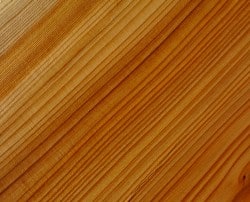
Larch
Larch is a tough, hardy wood that holds up well in colder or wetter areas. It’s often used for cladding, sheds, and garden rooms because it can take the rougher side of the weather.
Left untreated, larch gradually turns a silver-grey, which blends nicely in many gardens. If you want to keep its original colour, a coat of exterior stain or wood oil every year will do the trick. Either way, it doesn’t need much else.
Teak
When it comes to outdoor furniture, teak is hard to beat. It’s naturally oily, which keeps water out and makes it resistant to sun and salty air. That’s why many garden furniture items like benches, dining sets, and loungers often use teak.
You can treat it with teak oil if you like the warm, golden colour. Or leave it to develop a pale grey patina over time. Overall, it doesn’t demand much upkeep and lasts for decades – a good worry-free option for any outdoor space.
Pressure-treated pine
Pine, on its own, is a softwood, easy to work with, and usually cheaper than hardwoods like oak or teak. Left untreated, it won’t last long outdoors, especially in damp UK conditions.
Pressure treatment changes that. The wood is infused with preservatives that protect it from rot, insects, and damp damage. This now makes it workable for sheds, fences, or garden project uses.
Keep in mind, though, that it won’t match hardwoods for lifespan. But swapping boards or adding a coat of preservative every few years keeps it in good nick.
| Wood | Durability | Weather Resistance | Maintenance | Best Uses |
|---|---|---|---|---|
| Cedar | Lifespan: 20-30 yrs Hardiness: Medium Decay Resistance: Good Structural Strength: Medium | Handles wet gardens well Tolerates temperature changes Mild UV fading Damp-tolerant | Wash occasionally Re-stain/oil every 2-3 yrs Can leave untreated for a silvery-grey look | Sheds, fencing, and low-maintenance outdoor furniture |
| Redwood | Lifespan: 25-35 yrs Hardiness: Medium Decay Resistance: Very Good Structural Strength: Medium | Handles rain well Adapts to seasonal changes UV can slowly lighten colour Good in damp soil if treated | Light cleaning Oil or stain every 2-3 yrs to keep red hue Can fade naturally if desired | Fencing, decorative panels, and light garden builds |
| Oak | Lifespan: 40+ yrs Hardiness: High Decay Resistance: Good (needs sealing) Structural Strength: High | Needs sealing near ground Tolerates temp changes Moderate UV fading Can rot if in constant damp | Oil/seal every 1-2 yrs Keep off direct soil where possible Low-maintenance if treated | Premium furniture, garden rooms, structural builds |
| Larch | Lifespan: 20-25 yrs Hardiness: Medium-High Decay Resistance: Good Structural Strength: Medium | Handles rain and damp Performs well in colder climates UV slowly fades colour Stable in wet gardens | Wash as needed Optional stain/oil every 2 yrs Can grey naturally if untreated | Cladding, sheds, garden rooms |
| Teak | Lifespan: 50+ yrs Hardiness: Very High Decay Resistance: Excellent Structural Strength: High | Excellent in rain, sun, and salt Handles temperature shifts UV barely affects colour Very damp-tolerant | Minimal care Can leave to age naturally Teak oil once or twice a year to maintain the golden hue | Premium outdoor furniture, decking, and high-end builds |
| Pressure-Treated Pine | Lifespan: 15-25 yrs Hardiness: Medium Decay Resistance: Good Structural Strength: Medium | Handles wet soil Stable with seasonal temps UV causes fading Good for damp gardens if treatment is intact | Re-seal or paint every 2-3 yrs Quick wash if dirty Lower long-term maintenance cost | Budget sheds, fences, and general garden builds |
Other common types of wood used for garden building, fences, and furniture
Almost any kind of wood may be used as a furnishing material. Here are other great species of woods, both native and non-native to the UK:
| Name | Quick Facts | Features | Best Uses |
Ash
| Scientific name: Fraxinus spp Country of origin: Europe and North America Degree of use: High | -Hard and strong wood, and known for its ability to bend-Less expensive than other hardwoods and a good substitute for white oaks -Colour can vary from dark to pale brown and white | -Used as low-end wood furniture as well as frame and panel works-Also good for sports equipment and tool handles |
Beech
| Scientific name: Fagus spp Country of origin: Europe and North America Degree of use: High | – Known for moving and shrinking in the solid and makes an excellent wood to steam bend- Works beautifully when dried – Light brown to pale colour | – Usually used as frames for furniture and woodworking tools- Also used in musical instruments |
Birch
| Scientific name: Betula spp Country of origin: Europe and North America Degree of use: Low | – Has a striking grain pattern and is easy to work with- Comes in light brown to yellowish variety and white | – Used in almost any kind of furniture and home accessories, including cabinets and drawers |
Cherry
| Scientific name: Prunus spp Country of origin: Europe and North America Degree of use: Low | – One of the popular and all-around wood- Wood grain is resistant to warping, stains, and finishes well even with oil alone – Has an almost white outer portion and reddish tinge in its heartwood | – Commercially used for making fine furniture, decorative works and musical instrument- Also used as veneer over less expensive wood materials |
Elm
| Scientific name: Ulmus spp Country of origin: Europe and North America Degree of use: High | – Well-known for its durability and ability to bend- This species has a depth of beauty that makes for an expensive product – Colour range from light to dark brown | – Used in making outdoor and indoor furniture pieces and joinery |
Fir
| Scientific name: Pseudotsuga taxifolia Country of origin: Europe and North America Degree of use: High | – Also known as Douglas Fir, this is a giant tough tree and is water-resistant- Has a distinct pattern which can be perfectly accentuated by a good stain – Colour range from golden to reddish brown | – Used in cheap furniture and plywoods and when a product is intended to be paint-finished |
Hickory
| Scientific name: Carya spp Country of origin: North America Degree of use: Low | – Extremely hard, durable and heavy- Colour ranges from slight red to brown | – Best used for heavy furniture pieces and as veneer- Can also be used for sports implement |
Mahogany
| Scientific name: Swietenia macrophylla Country of origin: Central and South America Degree of use: High | – Characterised as strong, durable, and warp-resistant wood- Features beautiful red inlays and distinctly straight grain patterns – Takes stains very well and can be finished with oil coating | – One of the top choices for fine furniture pieces and as veneer |
Maple
| Scientific name: Acer spp Country of origin: North America Degree of use: Low | – Comes in hard and soft varieties but both types are very dense and strong than many other types of wood- Has fine, straight grain – Light brown in colour | – Perfect for house flooring and even bowling alleys |
Pine
| Scientific name: Pinus spp Country of origin: Europe and North America Degree of use: High | – A strong kind of softwood and is lightweight- Relatively softer than its varieties which makes it easy to carve – Has straight grain patterns that add uniqueness to furniture product | – Widely used in furniture making such as boxes and cabinets and house construction |
Poplar
| Scientific name: Populus spp Country of origin: UK, Europe Degree of use: Low | – Though the grains are undistinguished, this wood is resistant to stain- Relatively soft and easy to work with – Creamy white in colour with some green or brown streaks in the heartwood | – Used in making cheap furniture products and is almost always finished with paint- Also used for matches and minor craft goods |
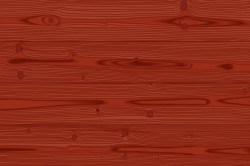
Redwood
| Scientific name: Sequoia sempervirens Country of origin: North America Degree of use: LowDegree of use: Low | – A light softwood and has straight grain- Has the ability to resist moisture, pests, and decays – As the name suggests, this wood has a reddish tint | – Best used for fences and outdoor furniture |
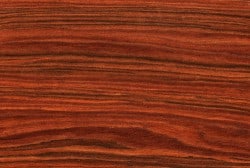
Rosewood
| Scientific name: Dalbergia spp Country of origin: Africa, South America, India Degree of use: Low | – An expensive kind of hardwood that comes in various species- Though prone to surface splits, this wood is much sought-after for its beauty – Has a dramatic colouring of red and black streaks | – Used in art creations, musical instrument, and some home furniture |
Walnut
| Scientific name: Lovoa trichilioides Country of origin: West and Central Africa Degree of use: Low | – Has distinctively fine grains and easy to work with- Colour is deep brown with dark streaks | – Used for making panels and as accents or inlays for wood products |
Yew
| Scientific name: Taxus baccata Country of origin: Europe Degree of use: Low | – Has extraordinary elastic properties- Some varieties could live for a thousand years | – Long been in use for Windsor chairs and long bows and as a decorative veneer |
FAQ
Do softwood or hardwood last longer outdoors?
Hardwoods last longer outdoors. They’re denser and more resistant to decay and damage from insects or moisture. Examples are oak, teak, and mahogany – they can last decades, especially if maintained. In contrast, softwoods, e.g. pine, larch, and cedar, can still perform well, even better if pressure-treated. Moreover, they don’t have the same lifespan as hardwoods.
How often should I treat outdoor furniture?
It depends on the wood. For softwoods like cedar or pine, a coat of wood oil, stain, or preservative every 1 to 2 years. Hardwoods like teak or mahogany can be left untreated if you like the natural silver-grey look, or oiled once a year. Regular checks for cracks or damp spots help too.
What wood handles damp gardens best?
Cedar and redwood are top picks for damp gardens. They naturally resist rot and insects, so they cope with wet soil better than many other woods. Pressure-treated pine is a good option, too, as the treatment adds to the protection. Hardwoods like oak or teak are strong, but oak especially needs sealing if it sits near the ground.
What’s the longest-lasting wood for fencing?
Teak and oak lead the pack for long-term fencing. Teak is durable, handles rain, sun, and temperature changes, and can last 50+ years with minimal care.
Oak also lasts decades if you seal it, though it’s heavier and needs more maintenance at ground level. Cedar and redwood are good too, typically lasting 20 to 30 years. Pressure-treated pine is budget-friendly and can last 15 to 25 years.




What do you think ?